
products
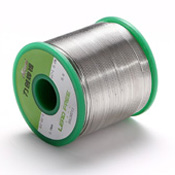
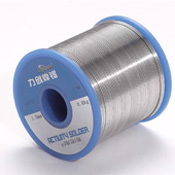
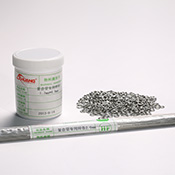
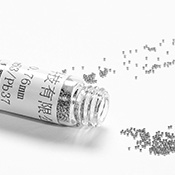
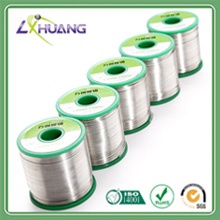
High Temperature Alloy Solder
High temperature alloy solder usually works in bad environment, which requires many aspects should meet strict conditions. For example, the solder should be qualified for high heating and hardly be...
view product ›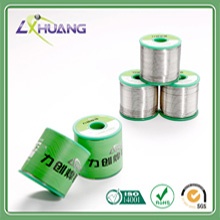
Medium High Temperature Alloy Solder
With increasing demands for environmental protection, the lead free alloy solder gradually replace the traditional lead solders. Our medium temperature solders are widely used in soldering electron...
view product ›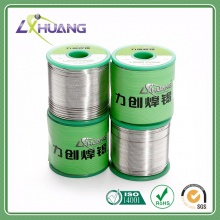
Medium temperature Solder Alloy
Medium temp lead-free solder refers to filler metals which are of medium melting points. It belongs to soft solder alloy which is opposed to the high-melting-point hard solder alloy. This solder is...
view product ›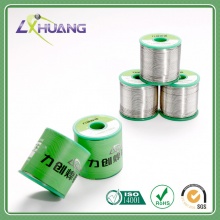
Low Mid temperature Alloy Solder
Like many other solder materials, the low-mid temperature alloy solder is used for soldering aluminum metal and alloys, and to some lesser extent steel and zinc. It is a lead free solder whose prin...
view product ›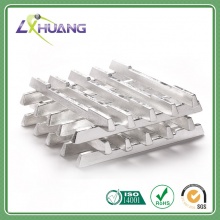
Low Temperature Alloy Solder
Low temperature alloy solder are generally used for carbon and alloy steels, stainless steel, nickel and copper-nickel. Low temperature alloy solders are most often brazed without flux in a furnace...
view product ›Introduction
Containing very little plumbum (≤ 100 ppm), the lead free solder meets increasing demands for environmental protection around the world and gradually replaces the traditional tin-lead solders. Generally, Pb free solders are widely used for soldering electronic components, computer parts, copper plates, PCBs, TV parts, radio components and other metal equipments. We offer multiple kinds of soldering alloys, including Sn-Cu, Sn-Ag-Cu, Sn-Ag, Sn-Bi, and so on.
Advantages
1. Lead free solder is featured by good
welding performance, short wetting time, outstanding anti-oxidizability and
high tensile strength.
2. During welding, little nocuous volatile
gas and flux residue generate; besides, very little soldering splatters around.
3. Solder spot is bright and reliable for
welding.
4. Resin in the Pb free solders is uniformly
distributed and featured with good continuity.
5. Our lead free solder possesses small
surface tension and large flow ability.
How to Choose Solder
1. Choose the Solder Composition Lead or Lead-free is the first thing to be considered. Then, choose the right solder according to the working temperature. Generally, solders used at high temperature are available for easily accessible connections, while the ones at low temperature are for smaller and crowded connections. Next thing is to choose right solder alloy. Commonly, the most common lead free solder contains 95% tin and 5% antimony. Its smelting point is between that of 40/60 and 50/50 tin/lead solders.
2. Select Right Diameter of Pb Free Solders Select solder wires whose diameter is between 0.01 inch (0.25 mm) and 0.125 inch (3.25 mm). If the solder diameter is too small, the solder will be melted very fast, and vice versa. So, over-thin solder will result in lack of soldering, while the over-think solder will absorb too much heat and damage the welded components.
3. Select Flux Core for Lead Free Solder Choose the flux cores according to your personal style in applying flux.